Do Bar Guests Respond to External Stimuli?
As much as we would like to think that we are in full control of our actions, studies show that our subconscious often takes the reins and leads us one way or the other based on our environment. That is why it’s possible for you to walk into a bar and feel the urge to leave, even if you cannot really explain what’s making you uncomfortable. Bar owners and designers know that this urge lies in the environment, which is why they curate spaces that align with their business goals. But how?
Adjusting the Sound Levels
One thing that most people can agree on is that the loud volume of the music in bars can get in the way of conversations. But are bars just playing such loud music to attract guests from the outside, or are they doing this to play with people’s psychology? Well, the answer to this is both! Let’s look at how loud music actually affects how you behave:
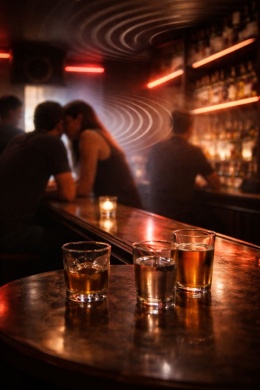
- Your drinking speed. When music is loud, talking to the people around you not only feels difficult, but it also becomes tiresome. At some point, people give up on conversation and focus their energy on other things, such as listening to music, dancing, and most importantly, drinking. In fact, studies have shown that the louder the music is, the faster people sip on their drinks, and the quicker they finish their drinks. And since they cannot really talk to other people, they make up for the silence by ordering and drinking more drinks. It creates quite a cycle, but people don’t really notice it because the music distracts them.
- Your intimate conversations. Many friends and couples go to bars to have deep conversations. It’s where they share their innermost feelings, be it about their work, family life, or just relationships. Naturally, doing so in a public space comes with a high level of social anxiety because people do not want others to overhear their conversations. Bars provide the perfect environment. By playing moderately loud music, people are able to lean over to the people around them and have these conversations at length while knowing that other people cannot hear them. They start feeling more comfortable and can share what they have been holding back, as this setting creates a form of a bubble. However, it is important to note that such conversations can only really take place when the music is moderately loud and not blasting. If it’s too loud, people just turn to their drinks.
Interestingly, loud music also triggers your fight or flight response. The longer you are exposed to it, the more you experience physical tension, such that your palms may start sweating and your heart rate may increase. And guess what people do when they feel uncomfortable – they drink so that they can relax. Alcohol has been proven to have a calming effect on people, so the more that people feel tense, the more they drink. Of course, this works in favor of the bar owners who turn up the music just a bit more.
Selecting the Music
When it comes to music, bar owners and their DJs have to think about two things. The first is the tempo, which refers to the beats per minute, and the second is the complexity of the music. By playing around with these two aspects, they are able to create an environment that encourages their guests to act in line with the bar’s goals. Here is how:
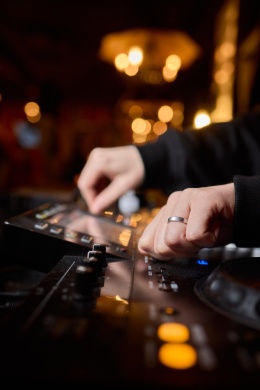
- The tempo. People naturally sync their movements to the beat of the music in the bar. Not only does this syncing show up in how they chew their food, but also in how their hearts beat. In the case of a fast beat, people feel rushed, and their heart rate goes up. They respond by drinking faster and leaving fast, which works for bars with a high volume of people. After all, if people can grab and finish a few drinks fast, then more guests can arrive and take their place. But where bars want people to stay longer and enjoy their drinks slowly, they go for music with a slower tempo. These slow beats help the guests relax, and they get into this space where they feel that they have the freedom to just be, especially after a long day at work. While you may think that this low volume of guests has a negative effect on the bar’s profits, it does not. Studies have shown that when guests are this relaxed, they are more likely to order more premium drinks and even consider ordering additional items on the menu that they would not have had they been in a rush.
- The complexity of the music. When people listen to music that is highly complex, such as songs with unpredictable patterns, their brains get tired from all the additional processing. Without knowing why, guests in such bars may feel mentally wiped out and may feel the urge to leave the bar sooner than they had planned. But when bars play simple music with soft and predictable rhythms, people feel comfortable and barely even notice the effect of the music. So, they sit back and relax as they enjoy their dances, drinks, conversations, and more.
Some bars play it safe by having moderate tempo music with moderate complexity, such that they create an environment where guests feel comfortable long enough to have a few drinks but not too comfortable to stay a couple of hours while making conversation.
Balancing the Lighting
Light has an effect on our endocrine system, especially when it comes to our cortisol and melatonin levels. That is why many health experts encourage people to get morning sunlight to trigger cortisol release for alertness and avoid blue light before bed, as this inhibits melatonin, which helps with relaxation. Bar owners are quite familiar with these findings, and they light their bars in ways that tap into people’s endocrine systems in the following ways:
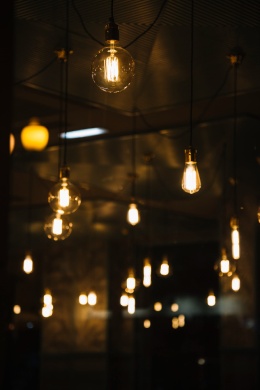
- Warm temperature. When bars use lights averaging 2,000 to 2,700 Kelvins, they create a warm environment that mimics calm settings such as bonfires, sunsets, sitting by the fire, etc. And this signals to the guests that the end of the day has come, which lowers their cortisol levels and helps them relax. What’s more, it increases their oxytocin levels, which is the hormone that helps us bond with each other. So, the guests start feeling more open to interacting with others. And since the environment in the bar feels very intimate and safe, they feel less closed off. But this kind of lighting does not just affect your mood. It also affects your eyes. When light is dim and warm, your pupils dilate. Subconsciously, other people interpret this as a desire to engage in conversation, and it can also signal attraction. That’s why you find that people in such bars often have very positive perceptions of other guests, whom they may think of as very engaging and attractive.
- Cool temperature. From 4,000 Kelvins going up, bars introduce a cool and blue light, which is much like what we get from the sun at noon. It’s the same kind of lighting that you find in offices, hospital rooms, libraries, and other spaces where high levels of concentration are necessary. But why? Well, this kind of light keeps your brain alert, such that you pay more attention to what’s around you. In a bar, this kind of lighting makes you feel less at home and more in a space where you are but a passing guest.
Given this context, where bars want people to drink up fast and leave, they go for cool lighting. But where they want their guests to feel right at home, they use lighting that makes them feel right at home, literally – it’s the same kind of lighting temperature you find in dining rooms and bedrooms where relaxation is key.
Tapping into All the Senses
The perfect bar environment aligns its sound levels, music selection, and lighting to match its audience and its goals. But what does this look like?
- The high-energy bar. In these bars, such as those that target college students, bar owners focus on creating an environment that guarantees a fast turnover of guests. To do this and turn a profit, they have to capitalize on a high rate of drink consumption, which requires low intimacy levels so that people can drink up and leave. So, they turn up the sound, opt for fast music tempo with complex rhymes, and go for either neutral or vibrant lighting.
- The transition bar. Such bars attract people who are on their way home or to other places and are just stopping by for a drink or two. As such, they are not geared towards creating a space where people linger for hours on end. But at the same time, bar owners do not want their spaces to feel cold. The trick to making good money while still being efficient lies in varying the sound levels and going for mid-tempo music with moderate rhythms. This way, guests can engage in a quick conversation and sit long enough to have a few drinks before moving on to the next thing on their to-do list. Like with high-energy bars, the lighting in these transition bars is often neutral.
- The intimate bar. Lounges, lobby bars, and other bars that serve people who want a slower pace fall into this category. In these bars, the owners focus less on the turnover and more on the quality of their services so as to encourage people to spend more time in the bars, which results in higher spending, more so on premium drinks. The sound levels in these bars are often moderate to allow people the ability to have private conversations, and the music tempo is often slow. Additionally, the lighting is often very warm or dim, thus creating the kind of intimacy that makes the guests feel comfortable enough to order one drink after another as they bond with other guests.
It is all about ensuring that guests do not experience a sensory dissonance, which can occur when these factors are in conflict.
Quick Links
Gentlemen's club [M]
— 🅾️yd 🅱️awgentte (@lloyd_agt) March 3, 2025
Elemental | Tonberry | Mist W5 P44
I always wanted to create a luxurious bar with billiards inside. Pretty happy with the result! ✨️#ff14housing #hgxiv pic.twitter.com/8rVLjjjfci
With the kind support: